








IPL Science & Technology
The Complete Guide to At-Home IPL Hair Removal (2026)

If you’ve been researching ways to ditch the razor for good, you’ve probably come across IPL hair removal. Once exclusive to dermatology clinics and medical spas, IPL (Intense Pulsed Light) technology is now available in devices you can use from the comfort of your own home. But how does it actually work, is it safe, and what kind of results can you realistically expect?
This guide covers everything you need to know about at-home IPL hair removal, from the science behind the technology to choosing the right device for your skin tone and hair color.
What Is IPL Hair Removal?
IPL stands for Intense Pulsed Light. Unlike laser hair removal, which uses a single wavelength of light, IPL uses a broad spectrum of light wavelengths to target the melanin (pigment) in hair follicles. When the light is absorbed by the melanin, it converts to heat, which damages the follicle and disrupts the hair growth cycle.
Over multiple treatments, this process puts the follicle into a dormant state, dramatically reducing hair regrowth. Most users see a 70–90% reduction in hair growth after completing a full treatment cycle.
How Does At-Home IPL Compare to Professional Treatments?
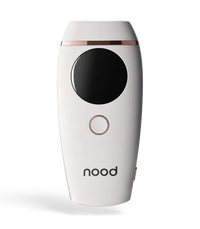
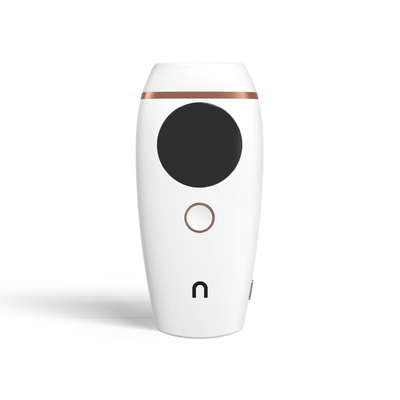
Professional IPL and laser treatments at clinics typically cost $200–$500 per session, with 6–12 sessions recommended. That’s $1,200–$6,000 total. At-home IPL devices like the Nood Flasher 2.0 offer the same core technology at a fraction of the cost, and you can treat yourself on your own schedule.
The main differences: clinical devices are more powerful (requiring trained operators), while at-home devices use lower energy levels that are safe for self-application. At-home devices may require a few more sessions to achieve equivalent results, but the convenience and cost savings make them the preferred choice for most people.
Who Is IPL Hair Removal Best For?
IPL works best on people with a contrast between their skin tone and hair color. The ideal candidate has lighter skin (Fitzpatrick skin types I–IV) and darker hair (brown or black). The technology relies on melanin in the hair to absorb the light, so very light blonde, red, white, or gray hair may not respond as well.
That said, newer devices like the Nood Flasher 2.0 have been designed with broader skin tone compatibility than earlier generations. Always check the manufacturer’s skin tone chart before purchasing.
Treatment Areas: Where Can You Use IPL?
At-home IPL devices can be used on most body areas, including legs, arms, underarms, bikini line, and facial areas (upper lip, chin, and jawline). Some areas are more sensitive than others, so start with lower intensity settings on sensitive zones and gradually increase as your skin adjusts.
Avoid using IPL directly on the eyebrows or too close to the eyes, as the intense light can be harmful. Most devices are not designed for use on dark skin tones (Fitzpatrick V–VI) due to the risk of burns — always check your device’s guidelines.
What Results Can You Expect?
Most users report noticeable hair reduction after 3–4 weekly treatments. After 8–12 treatments, hair regrowth is typically reduced by 70–90%. Some users achieve near-complete elimination.
It’s important to understand that IPL results are gradual. Hair grows in cycles, and IPL is most effective during the active growth phase (anagen phase). This is why multiple treatments spaced 1–2 weeks apart are necessary — each session catches different hairs in their growth cycle.
After your initial treatment series, most people need occasional maintenance sessions (once every 1–3 months) to keep results long-term.
Safety Tips for At-Home IPL
-
Always do a patch test on a small area 24 hours before your first full treatment
-
Shave (don’t wax or pluck) the treatment area before each session
-
Avoid sun exposure and tanning for 2 weeks before and after treatment
-
Start on the lowest intensity setting and gradually increase
-
Wear the included eye protection during treatment
-
Do not use on tattoos, moles, or dark birthmarks
How to Choose the Right IPL Device
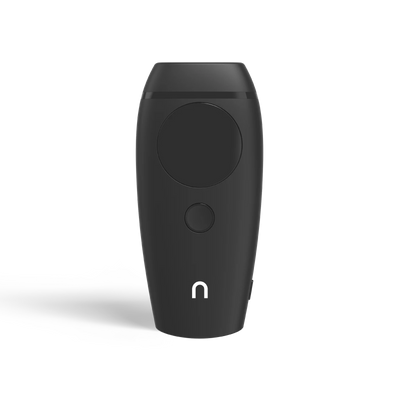
When shopping for an at-home IPL device, consider these factors: skin tone range (wider is better), flash count (more flashes = longer device life), treatment window size (larger window = faster sessions), intensity levels (more options = better customization), and whether the device offers additional features like skin rejuvenation (like the Nood Flasher Pro’s Ageless Lens for anti-aging red light therapy).
The Nood Flasher 2.0 is designed for straightforward hair removal with an intuitive design and broad skin tone compatibility. For those who also want anti-aging benefits, the Flasher Pro includes a dedicated skin rejuvenation lens alongside the standard hair removal lens.
The Bottom Line
At-home IPL hair removal is one of the most effective and cost-efficient ways to achieve long-term hair reduction. While it requires commitment to a regular treatment schedule, the payoff — smooth, hair-free skin without razors, waxing, or expensive salon visits — is well worth it. Start with a quality device, follow the safety guidelines, and give it at least 8–12 sessions before judging your results.
The Flasher Pro

